

A Case Study on Nutritional Management of PCOD, Perimenopause, Metabolic Slowdown & Cardiovascular Symptoms
Abstract
Polycystic Ovarian Syndrome (PCOS) is a complex hormonal and metabolic condition affecting women of reproductive age, commonly presenting with irregular menstrual cycles, weight changes, fatigue, and reliance on hormonal medications for symptom management. While conventional medical treatment may help regulate cycles temporarily, it often does not address the underlying hormonal and lifestyle-related imbalances.
This case study highlights the nutrition and lifestyle management of a 26-year-old female diagnosed with PCOS, who was dependent on hormonal pills to induce menstruation and was experiencing weight gain and low energy levels. A structured, hormone-focused, non-pharmacological intervention was designed with the primary aim of restoring naturalhormonal balance and achieving sustainable weight normalisation.
Within three months of personalised nutrition therapy and lifestyle modification, the client experienced natural restoration of her menstrual cycle without medication, noticeable weight reduction, improved energy levels, and overall enhancement in well-being. This case demonstrates the effectiveness of a dietitian-led, root-cause-based approach in managing PCOS through targeted nutrition and consistent lifestyle correction.
Client Profile
Age
26 years
Location
Ottawa, Canada
Height
5 feet
Dietary Preference
Eggetarian
Occupation
IT Engineer
Lifestyle
Sedentary
Medical Background & Clinical Context
Shikha, a 26-year-old female, presented with a clinically diagnosed history of Polycystic Ovarian Syndrome (PCOS), characterised by long-standing menstrual irregularity, weight gain, persistent fatigue, and reduced overall vitality. Her primary concern was the absence of natural menstrual cycles, as menstruation was occurring only with the help of hormonal medications. Prolonged use of oral contraceptives had resulted in unintended weight gain, lethargy, and reduced metabolic responsiveness, further aggravating her symptoms.
She also reported consistently low energy levels and a general sense of physical
exhaustion, indicating an underlying hormonal and metabolic imbalance rather than a purely gynaecological concern. Shikha followed an eggetarian diet; however, her meals lacked structure, regular timing, and adequate distribution of key nutrients required for hormonal support.
Lifestyle assessment revealed a predominantly sedentary routine, minimal daily movement, irregular exercise patterns, and ongoing work-related stress associated with her role as an IT engineer. Although she did not report significant digestive complaints, her fatigue, weight changes, and low energy levels suggested subtle metabolic strain influenced by lifestyle and stress factors.
Considering the strong interconnection between PCOS, lifestyle patterns, and stress physiology, a comprehensive, hormone-focused nutrition and lifestyle intervention was required. The approach prioritised addressing the root hormonal and lifestyle drivers of PCOS, rather than relying solely on symptom-based pharmaceutical management.
Anthropometric Assessment & Dietary History
At the time of assessment, Shikha weighed 57.6 kg with a height of 5 feet (152 cm). Although her weight was within a borderline normal range, the recent and rapid weight gain following prolonged hormonal medication use indicated compromised metabolic efficiency rather than simple excess calorie intake.
Her habitual diet, while eggetarian, lacked hormonal and metabolic structure. The dietary pattern was characterised by:
- Hectic schedule and high stress levels, leading to skipped meals and irregular eating patterns
- Lack of balanced meal combinations, especially missing protein along with carbohydrates
- Frequent dependence on refined and convenience foods due to time constraints
- Low intake of fibre-rich foods such as vegetables, fruits, and whole foods
This pattern, combined with a sedentary lifestyle, was insufficient to support ovarian hormone balance and sustained energy levels, thereby contributing to persistent PCOS symptoms.
Nutrition Intervention & Diet Planning
A personalised, hormone-centric nutrition strategy was developed based on Shikha’s age, PCOS profile dietary preference, and sedentary lifestyle. The intervention focused on hormonal regulation and menstrual cycle normalisation, rather than calorie restriction or symptomatic control.
The diet plan emphasised:
- Balanced meals with adequate high-quality protein at every meal to stabilise blood glucose, improve satiety, and support ovarian function
- Controlled carbohydrate intake from low-glycemic and high fiber food soluble and insoluble fiber to make the digestion smooth.
Micronutrient sufficiency was prioritised, with specific focus on nutrients commonly deficient
in PCOS, to support endocrine signalling and energy metabolism.
Macronutrient Distribution
The nutrition plan was structured at approximately 1600 kcal/day, adjusted according to
Shikha’s activity level, metabolic response, and hormonal condition.
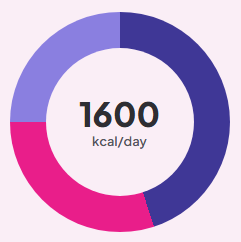
- Carbohydrates: 45% of total energy — Sourced from complex, low-GI foods to support insulin regulation and menstrual health
- Protein: 30% of total energy Evenly distributed across meals to preserve lean mass, enhance metabolic rate, and improve hormonal stability
- Fats: 25% of total energy Emphasising omega-3 and other healthy fats to support hormone synthesis
The daily meal pattern included three main meals and two structured snacks, ensuring steady energy levels on the body.
Foods Avoided & Allowed
Foods Avoided
The following foods were restricted due to their role in hormonal imbalance associated with PCOS:
- Refined sugars, desserts, sweetened beverages
- Bakery products and ultra-processed foods
- Refined flours and high glycemic packaged snacks
- Excess caffeine
- Fried foods and reheated or reused oils
These foods were identified as key contributors to ovarian hormonal disruption,and fatigue.
Foods Allowed
The allowed food list focused on nutrient density, and hormonal support:
- High-quality protein sources (eggs, pulses, legumes, paneer, curd), tailored to tolerance
- Whole grains and millets in controlled portions
- A wide variety of vegetables, with emphasis on fibre-rich and anti-inflammatory options
- Fruits in controlled portions, prioritising low-glycaemic fruits
- Nuts and seeds such as flaxseeds, chia seeds, walnuts, to provide omega-3 fatty acids
- Hormone-supportive herbs and spices to aid digestion, reduce inflammation, and improve metabolic health
Nutrition Counselling Approach
The intervention for Shikha extended beyond meal planning to education-based nutrition
counselling, aimed at addressing the root metabolic and hormonal drivers of PCOS.
She was counselled to understand:
- The link between PCOS and how this contributes to irregular periods, weight gain, fatigue
- The role of long-term hormonal pill use in symptom management versus root-cause correction
- The importance of meal timing, protein consistency, fibre intake, and hydration in restoring metabolic balance
- Why extreme dieting, calorie cutting, or over-exercising can worsen hormonal stress instead of improving PCOS
This structured counselling helped reduce dependency on medication-based thinking,
improved adherence, and empowered Shikha to actively participate in her hormonal
recovery.
Shikha was managed as an online client, with regular follow-ups conducted through
Google Meet, WhatsApp voice calls, and messages. Despite the virtual format, consistent
check-ins ensured close monitoring, personalised guidance, and timely plan adjustments.
Nutrition Intervention Strategy
Primary Goals
The intervention followed a phased, hormone-centric approach, tailored to Shikha’s age,
PCOS profile, and predominantly sedentary lifestyle. The primary objective was to restore
hormonal rhythm, improve energy levels, support natural menstrual cycles, and achieve
sustainable weight balance through nutrition and lifestyle correction.
Phase 1: Metabolic & Routine Stabilisation
This phase focused on establishing regular meal timing, improving overall nutritional
adequacy, and supporting metabolic balance to create a stable foundation for hormonal
recovery.
Phase 2: Hormonal & Menstrual Regulation
The second phase aimed at restoring natural menstrual cycles, reducing fatigue, and
supporting ovarian hormone balance through nutrient-dense, well-structured meals and
supportive lifestyle habits.
Phase 3: Weight Normalisation & Lifestyle Consolidation
The final phase emphasised gradual and sustainable weight normalisation, improved
energy and metabolic efficiency, and long-term lifestyle consistency without restrictive or
extreme approaches.
Key Nutrition Focus Areas
1. Metabolic Balance & Weight Management
- The nutrition plan focused on balanced meals rich in protein, fibre, and healthy fats, with controlled portions of complex carbohydrates. Refined sugars and ultra-processed foods were eliminated to support stable energy levels, hormonal rhythm, and sustainable weight management.
2. Hormonal & Ovarian Support
- Even distribution of protein across meals to support hormonal activity and satiety
- Inclusion of omega-3- rich foods such as flaxseeds, chia seeds, and walnuts to support overall hormonal health
- Regulation of caffeine intake to minimise hormonal strain and energy fluctuations
3. Lifestyle Alignment
- Daily 30-40 minutes of physical activity, including PCOS-specific yoga
- Improved sleep hygiene with a target of 7-8 hours of restful sleep
- Adequate hydration with a daily intake of 2.5-3 litres of water
4. Herbal & Functional Support
- Cinnamon to support metabolic balance
- Turmeric to support overall wellness
- Fenugreek, cumin, and fennel to support digestion and meal tolerance
- Spearmint tea to support hormonal balance
Progress & Outcomes
Shikha demonstrated strong adherence to the prescribed nutrition and lifestyle plan. Within
the intervention period:
- Menstrual cycles resumed naturally without medication, indicating improved hormonal rhythm
- Weight reduced by 5.6 kg within 3 months, reaching a healthy and stable range
- Improved energy levels and reduced fatigue
- Better overall metabolic stability and daily functioning
Beyond physical improvements, Shikha gained confidence in managing her PCOS independently. Reduced reliance on hormonal medication and improved body awareness reinforced the effectiveness of a nutrition-led, root-cause-based approach.
This intervention highlights that PCOS can be effectively managed through structured nutrition, lifestyle correction, and consistent professional guidance, leading to sustainable hormonal balance and long term