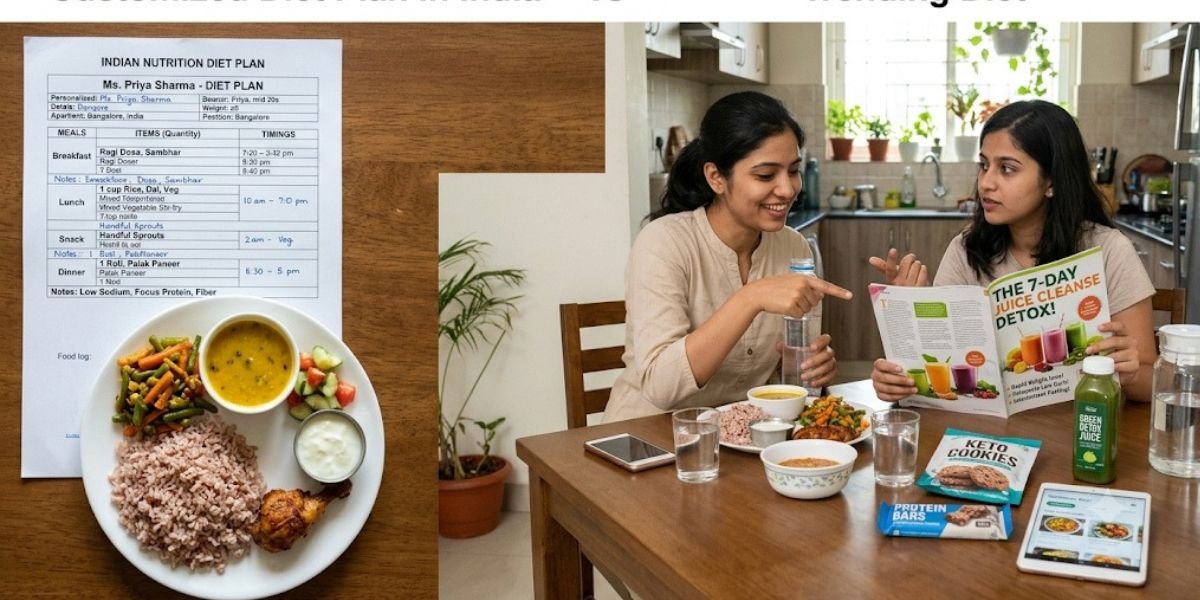

Diabetes Diet Plan That Treats the Cause of High Sugar, Not Just the Number

A personalised plan designed by Dietitian Priyanka Mittal, AIIMS and Apollo-trained, with clinical diabetes and insulin resistance experience.
Built around your HbA1c, fasting insulin and HOMA-IR, not a printed diet chart that ignores your reports and your favourite foods.
- Read your insulin, not just your sugar
- Ongoing WhatsApp support
- Roti and rice stay on your plate
- Type 2, prediabetes and gestational
Sir Ganga Ram Hospital · Apollo Indraprastha · Delhi Diabetes Research Centre She is an AIIMS & Apollo-trained clinical dietitian with 14+ years of experience helping clients manage complex autoimmune and metabolic conditions through personalised, food-first nutrition.
If you had a test for blood sugar and the report has come back high, you might have questions coming to your mind about what to eat and what to avoid along with having thoughts whether life will ever be normal again.
Diabetes is manageable and thousands of people live active lives with it. With the correct guidance, you can shift from stress to a plan you can follow with confidence.
Getting to Know Diabetes
When you eat, your body breaks food into glucose which activates your cells. A hormone known as insulin, created by the pancreas behaves like a key that allows glucose to travel from the bloodstream into those cells. Diabetes builds up when the body does not create enough insulin, cannot use insulin properly or both. Glucose then builds up in the blood rather than reaching the cells that require it.
Over months and years, continuously high blood glucose can slowly damage blood vessels and nerves. That is the reason why diabetes is usually known as a silent condition: a person can feel normal while the harm is building up in the background. Regular screening and consistent management are what protect the heart and kidneys along with eyes and feet.
Diabetes in India: The Statistics
India is often portrayed as the diabetes capital of the world and the data shows why.
According to a national study, roughly 11.4% of Indians that is approximately 101 million people have diabetes. Also it stated that roughly 15.3% of the population which is approximately 136 million people are at a high risk of developing diabetes.
If we look at the state level difference, diabetes was found highest in Goa at 26.4% and the lowest in Uttar Pradesh at 4.8%. For prediabetes, Sikkim had the highest level at 31.3% and Mizoram had the lowest at 6.8%.
According to the IDF Diabetes Atlas 11th edition (2025), it was reported that around 89.8 million adults aged 20 to 79 were living with diabetes in India in 2024 and it is projected to reach 156.7 million by 2050. Also the report mentions that around 435 million adults have diabetes in India where approximately 38.6 million people remain undiagnosed.
Just fill in your details, our team will reach out within 2 hours to schedule your FREE consultation. Personalised to your blood reports, symptoms and lifestyle, with ongoing WhatsApp support.
Client Success at a Glance
Clients
Happy users
Avg Weight Lost
Google Rating
Countries Served
Different Types of Diabetes Explained
- Type 1 diabetes: It is an autoimmune condition in which the body does not generate insulin. It usually appears in childhood or early adulthood and requires lifelong insulin treatment.
- Type 2 diabetes: The most diagnosed form where the body becomes less responsive to insulin and gradually may not generate enough. It is highly connected with lifestyle and weight along with age and family history.
- Gestational diabetes: High blood glucose first found during pregnancy. It generally subsides after delivery but increases the mother’s later risk of type 2 diabetes.
- Prediabetes: Blood glucose which is more than normal but not yet in the diabetic range. It is in the warning stage and it can generally be reversed or delayed with timely changes.
Blood Sugar Ranges for Diabetes
Test | Normal range | Prediabetes | Diabetes |
Fasting blood sugar (after at least 8 hours without food) | Below 100 mg/dL | 100–125 mg/dL | 126 mg/dL or higher |
2-hour OGTT (after a glucose drink) | Below 140 mg/dL | 140–199 mg/dL | 200 mg/dL or higher |
HbA1c (average over about 2–3 months) | Below 5.7% | 5.7–6.4% | 6.5% or higher |
Random blood sugar | No single normal cutoff for diagnosis | — | 200 mg/dL or higher with classic symptoms can indicate diabetes |
Why Are Indians at Higher Risk?
1
Indians may have increased body fat, particularly abdominal fat, despite having a healthy BMI. Increased abdominal fat causes insulin resistance.
2
Muscle plays a key role in taking in glucose. Therefore, decreased mass can cause reduced glucose use.
3
People who are genetically susceptible and have a family history of diabetes will be more likely to develop diabetes.
4
This theory suggests that we have genes which help us store energy efficiently. This would have been beneficial when there was limited food available. It is quite debatable how much this contributes to the risk of diabetes in modern-day populations.
5
South Asians often develop type 2 diabetes at a younger age and at a lower BMI than some other populations because they are more likely to be exposed to high blood sugar throughout their life, which increases the risk of complications such as heart, kidney and nerve damage.
Early Warning Signs to Watch For
A lot of people find no symptoms initially particularly with type 2 diabetes. When the symptoms appear, they can include:
- Frequent urination, especially at night
- Increased thirst and a consistently dry mouth
- Fatigue or low energy without any reason
- Faded vision that comes and goes
- Cuts healing slowly or continuous skin problems
- Numbness or burning in the hands and feet
- Weight loss without any reason which is more common in type 1 diabetes
How Diabetes Is Diagnosed?
Doctors depend on a few typical blood tests. A fasting plasma glucose test measures sugar after an overnight fast. The HbA1c test shows average blood glucose over the past few months. An oral glucose tolerance test verifies how your body manages a measured sugar drink within a period of two hours and it is also used to check for gestational diabetes. An instant glucose test may be used when the signs are clear.
Building Everyday Habits That Support Healthy Blood Sugar

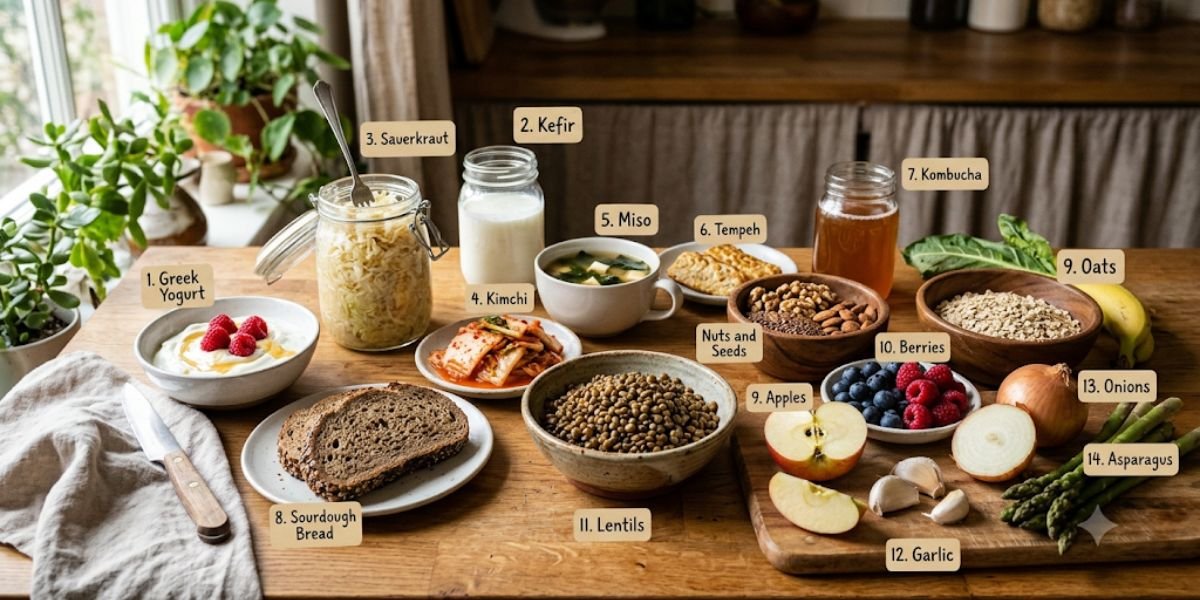
Try to balance your meals around vegetables, dals, suitable protein and fibre rich foods. Try to eat more whole grains and millets. Control your carb intake and try to reduce sugary drinks and heavily processed foods. Combining carb rich foods with proteins and fibre can help to manage blood glucose levels after eating.

Use the SMART acronym (Specific, Measurable, Achievable, Relevant and Time-bound) to set goals.
Instead of just setting a goal to “Eat healthier” try something like “Every single day I will have a lunch containing vegetables and a protein”.

Exercise regularly to help your muscles utilize glucose. As an adult try to do 150 minutes of moderate intensity activity. You should also be doing muscle strengthening exercises on two or more days. Be gradual and pick activities that are suitable to your health and fitness.

Keep track of your blood glucose levels as advised by your healthcare professional. Keeping track of your blood glucose levels, food and exercise can help to find patterns.

Try to get into a good routine with sleeping. Adults should try to get 7-9 hours of sleep per night. Try doing activities like walking, yoga, deep breathing and other relaxing activities to help manage daily stress.
Could Your Blood Sugar Need Closer Attention?
Tick what applies to you. This isn’t a diagnosis, just a quick way to see if a personalised approach could help.

You ticked 10 of 10. The last four are classic signs of insulin resistance, which usually starts years before sugar rises. A plan built on your actual reports is likely to help more than a generic diet chart.
How a Dietitian Helps You Control and Manage Diabetes?
Medicines are an important part of diabetes treatment but what you eat regularly shapes your blood sugar as effectively. A qualified dietitian changes medical advice into a practical plan you can follow at home or at any other place. For people with type 2 diabetes, consistent nutrition and lifestyle change can also enhance control and in some cases work towards remission under a doctor’s supervision.
The goal is never to provide a limited diet. It is a way of eating what you can to sustain life.
Portions, timing and food combinations are suitable to your readings and medicines along with work schedules and food preferences.
You get to know which carbohydrates to give importance to and how to balance them with protein and fibre.
Slow and sustainable fat loss that takes the burden off insulin and enhances overall health.
Meals are prepared to work alongside your medicines and help reduce the risk of highs and lows.
Advice that involves blood pressure and cholesterol along with fatty liver, thyroid issues and PCOS together.
Reading labels, eating out alongside fasting days and handling cravings. Your plan is managed as you report.
Understand Your Numbers
The three markers we read together. Share your latest report and our team will tell you where you actually stand, free of charge.
| Category | HbA1c | Fasting sugar | HOMA-IR |
|---|---|---|---|
| Normal | Below 5.7% | Below 100 mg/dL | Below 1.0 |
| Early insulin resistance | Often still normal | Often still normal | 1.9 and above |
| Prediabetes | 5.7% to 6.4% | 100 to 125 mg/dL | Usually 2.0 to 2.9 |
| Diabetes | 6.5% and above | 126 mg/dL and above | 2.9 and above |
Read the middle row carefully. Insulin resistance shows up on HOMA-IR while HbA1c and fasting sugar still read normal, which is why it is so often missed. HOMA-IR is calculated from your fasting insulin and fasting glucose together.
General clinical reference ranges, and HOMA-IR cut-offs vary between laboratories. Always interpret your own report with your doctor or our dietitian team.
INDYTE vs Other Weight Loss Options
| Feature / Option | indyte Weight Loss Diet Plan | DIY Diets | Gym Only | Fad / Crash Diets |
|---|---|---|---|---|
| Personalized diet plan | Yes | ✕ No | ✕ No | ✕ One-size restrictions |
| Nutrition expert support | Weekly support | ✕ No | ✕ Only workouts | ✕ No |
| Fast yet sustainable weight loss | Yes | ✕ No | ✕ No | ✕ Temporary |
| No supplements required | Yes | ✕ Maybe | ✕ No | ✕ Often forced |
| Easy meals based on your lifestyle | Yes | ✕ No | ✕ No | ✕ No |
| Ongoing progress tracking | Yes | ✕ No | ✕ No | ✕ No |
| Safe, scientific & realistic | Yes | ✕ No | ✕ No | ✕ No |
| Motivation and Push to achieve health goals | Yes | ✕ No | ✕ No | ✕ No |
Why Diabetic Patients Choose Dietitian Priyanka Mittal?
The right professional can manage how confident and in control you feel. Dietitian Priyanka Mittal is the founder of Indyte and is a clinical dietitian who assists people with diabetes and prediabetes to eat well without giving up the foods and traditions they love.
- Deep clinical experience: More than 14 years in nutrition, including more than 2000 diabetes cases managed efficiently.
- Indian food first: Plans are created that include dal, roti, sabzi, rice and home cooking without adding any expensive imported diet foods.
- Truly personal plans: Every plan is developed around your reports, lifestyle and family kitchen.
- A complete view of health: Care that involves thyroid problems and PCOS along with gestational diabetes and weight alongside blood sugar.
- Judgment-free support: Friendly and practical guidance along with follow ups that help you to be on track.
- Doctor-friendly care: Nutritional supervision that adds up to your prescribed treatment.
If you want advice on your blood sugar, consult with Dietitian Priyanka and take the first step towards a plan that suits your life.
Google reviews
Experience
Google Rating
Trained
Dietitian Priyanka Mittal
14+ Years · Handled 2000+ Diabetes cases · 45+ Countries
She completed a 6-month internship at AIIMS and a 3-month internship at Max Hospital, Shalimar Bagh, and has worked at Sir Ganga Ram Hospital and Indraprastha Apollo Hospitals. She trained as a Diabetes Educator at the Delhi Diabetes Research Centre, working alongside senior endocrinologists. Insulin resistance and diabetes are her core clinical strength. She is the founder of Indyte, a DPIIT-recognized startup, and author of Nourish Flavours.
She leads a full clinical team, and together they have worked with thousands of clients on diabetes, prediabetes, insulin resistance, PCOS and thyroid, in India and internationally.
- Insulin Resistance & Diabetes Expert
- AIIMS
- Apollo
- Sir Ganga Ram
- Max
- Delhi Diabetes Research Centre
- 14+ yrs experience
- DPIIT-recognized founder

Talk to our health experts now for immediate guidance

Talk to our health experts now for immediate guidance

Schedule a call with our team at a time that works best for you
What the Indyte Diabetes Program Supports
- More stable fasting & post-meal sugar levels
- Work on the insulin resistance underneath, not just the sugar reading
- Better energy levels through the day
- Long-term food habits you can actually sustain
- Gradual improvement in HbA1c over time
- Sustainable weight management alongside sugar control
- Reduced dependence on restrictive, joyless diet charts
What Actually Moved on Their Reports
Real numbers from real Indyte clients, each one quoted from a public Google review.
HBA1C
Google review, 5★
HBA1C
Google review, 5★
FASTING SUGAR
Google review, 4★
HBA1C IN PREGNANCY
Chetna Bajaj
Google review, 5★
These are individual results, not a promise. What your reports do depends on your starting health, your treatment, how closely you follow the plan, and your lifestyle. Indyte’s plans support, and never replace, your doctor’s prescribed treatment.
Real Diabetes & Prediabetes Journeys With Indyte
Indian food. Personalised plans. Hormones balanced.
Fasting blood sugar 248 mg/dL to 102 mg/dL
A government teacher managing fatty liver (Grade 2), thyroid imbalance, acidity and high stress alongside diabetes. Balanced macros, herbal support and yoga brought her fasting sugar back into a normal range.
Source: published Indyte case study.
7 kg down, 3 inches down, medicine dose reduced by his own doctor
He was waking four to five times a night to urinate. His wife wrote that his sugar is now fully controlled, he sleeps well, and his doctor has reduced his medication.
Source: Komal Thakur, Google review, 5★.
Documented improvement in HbA1c, cholesterol, digestion and energy
She came to us with several overlapping concerns at once: prediabetes, autoimmune thyroid inflammation (Hashimoto’s), chronic gut dysfunction, elevated cholesterol and persistent inflammation. An integrative plan addressed all of them together.
Source: published Indyte case study.
Individual results may vary based on starting health status, adherence to the plan, and lifestyle factors. Testimonials reflect real client experiences at Indyte and are shared with permission. Indyte’s plans support, and never replace, your doctor’s prescribed treatment.
What Clients Say on Google
Real results from real clients — verified Google reviews.


 Trustindex verifies that the original source of the review is Google.
 Trustindex verifies that the original source of the review is Google.
 Trustindex verifies that the original source of the review is Google.
 Trustindex verifies that the original source of the review is Google.
 Trustindex verifies that the original source of the review is Google.
 Trustindex verifies that the original source of the review is Google.
 Trustindex verifies that the original source of the review is Google.
 Trustindex verifies that the original source of the review is Google.
Real Client Video Stories
Real transformations, in their own words
Source: client-submitted testimonials on the Indyte YouTube channel. Results vary by individual.